

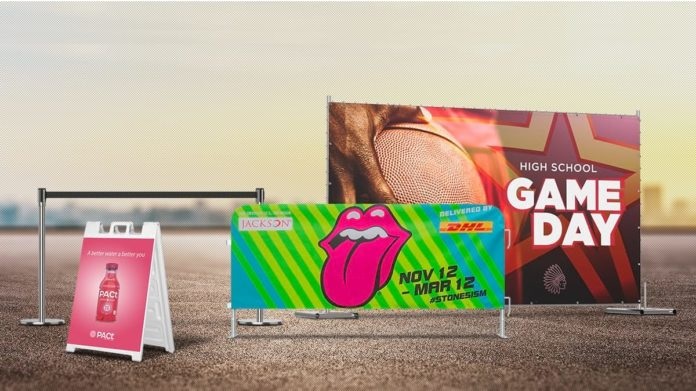
Introduction
Effective signage is pivotal in business marketing, serving as both a visual ambassador and a communication powerhouse. Crafting compelling signs involves more than just catchy wording—it’s about harnessing design strategies that instantly grab attention and convey your message. Businesses looking for professional solutions often turn to custom signs Austin to ensure their signage meets both aesthetic and functional needs in a competitive marketplace.
A strong sign boosts visibility, strengthens brand presence, and easily guides potential customers. When designed properly, signage becomes a valuable marketing asset that delivers results day in and day out. This guide covers the fundamental design principles behind effective signage and how they can drive business success.
Keep It Simple
One of the most crucial elements of sign design is simplicity. Overloading a sign with too much information can distract from the main message and reduce readability. Applying the “3×5 rule”—no more than three lines with five words each, or five lines with three words each—ensures clarity. Short, focused messages are easier for viewers to process, especially when passing by at a glance.
Visual simplicity doesn’t mean boring. Use concise language and direct calls to action to capture attention and make an impression that sticks.
Use High-Contrast Colors
Color choice greatly influences a sign’s legibility and attractiveness. High-contrast combinations—such as black text on a white background or yellow letters against blue—allow messages to stand out from a distance and remain easily readable. Poor color contrast can blend letters into the background, making your message less effective. Always consider color psychology and existing brand palettes to reinforce visual identity while maximizing impact.
Choose Readable Typography
Typography is more than font style; it encompasses letter size, spacing, and hierarchy. Stick to clean, sans-serif fonts for most public-facing signage, as decorative fonts can hinder readability. Ensure the text size is appropriate for the expected viewing distance. Ample letter spacing and consistent alignment further enhance legibility, making your sign effective in just seconds of viewing.
Utilize High-Quality Images and Graphics
Visual aids can make a sign more engaging and memorable, but quality counts. Only use high-resolution images and crisp graphics to enhance your message. These should be relevant and add value to the overall design, not clutter or distract from the main text.
Consider Sign Placement
Even the best design will fail to make an impact if the sign is poorly placed. Consider sightlines, visibility from different angles, and proximity to your intended audience. Evaluate environmental factors such as lighting, obstructions, and competing visuals to determine the most strategic location for maximum effectiveness.
Reflect Your Brand Identity
Consistency in signage design reinforces your brand’s visual identity and builds trust with your audience. Use your established brand colors, logo, and typography across all signage to create a cohesive, professional look. This holistic approach makes your business more recognizable and inspires customer confidence.
Test Your Design
Before committing to production, test your sign in real-world scenarios. View it from multiple distances and angles to ensure readability and visibility under various lighting conditions. Make adjustments if necessary after receiving feedback or conducting mock installations—that extra planning can prevent costly errors and improve sign performance.
Be Mindful of Materials and Size
The right materials can extend the lifespan of your sign and preserve its visual appeal. Choose weather-resistant materials such as aluminum, PVC, or acrylic for outdoor signs. For indoor settings, lighter materials may suffice. The size of the sign should correspond with the intended viewing distance; a sign that’s too small won’t attract attention, while one that’s too large might overwhelm the environment.
Understand Your Audience
Effective signage connects by catering directly to its target audience. Consider the demographics and preferences of your viewers. For example, a daycare center might use fun, bright colors, while a law office opts for more subdued, professional tones. Understanding who you’re designing for ensures that your signs are relevant and appealing to those you want to reach.
Conclusion
Successful signage strikes a balance between simplicity, visibility, and brand consistency. Businesses can craft signs that command attention and drive action by prioritizing clarity, using color and typography wisely, and considering placement and materials. Thoughtful signage design can transform casual passersby into loyal customers, making it one of your most effective marketing tools.
