

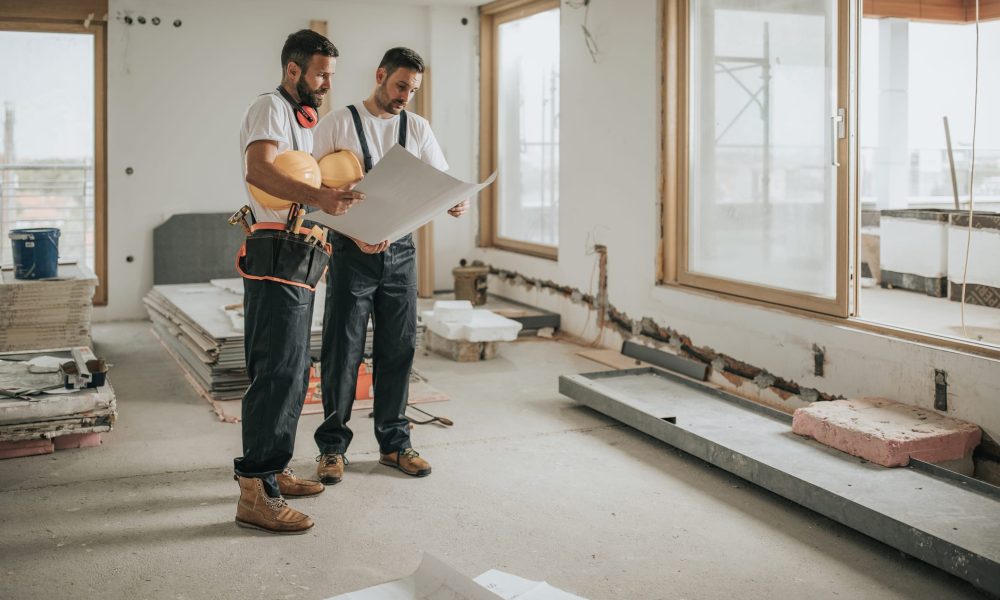
A full home remodel is a major decision. It affects daily life, finances, and long-term property value. Many homeowners start with excitement but underestimate the planning required. The result is often delays, budget stress, or outcomes that miss expectations.
Understanding how a complete home remodeling project works before construction begins helps avoid common problems and leads to better results. Below is a clear, practical breakdown of what homeowners should know before taking the first step.
What Complete Home Remodeling Really Includes
Complete home remodeling involves updating most or all areas of a house. Unlike a single-room renovation, a full remodel focuses on structure, systems, layout, and finishes together.
Typical scope includes:
- Kitchens and bathrooms
- Flooring throughout the home
- Electrical and plumbing systems
- Walls, ceilings, and layout changes
- Windows, doors, and lighting
- Interior and sometimes exterior updates
Because so many systems overlap, planning must happen as one coordinated project. Treating each space separately often leads to conflicts, rework, and higher costs.
Key Questions to Answer Before You Start
What Problems Should the Remodel Solve?
Homeowners should identify the main reasons for remodeling early. Common goals include:
- Improving layout and flow
- Updating outdated systems
- Increasing comfort and safety
- Preparing the home for long-term living
- Improving resale appeal
Clear goals guide design decisions and keep spending focused. Without this clarity, projects tend to grow beyond the original plan.
Are You Remodeling to Live or to Sell?
Homes remodeled for long-term living prioritize durability and personal comfort. Projects focused on resale usually emphasize neutral design and cost control. Knowing the purpose influences material choices, layout decisions, and budget priorities.
Budget Planning Mistakes Homeowners Make Early
Why Online Cost Estimates Fall Short
Many online remodel cost ranges lack local context. Labor rates, permit fees, material availability, and structural conditions vary by location. Older homes may require additional work behind walls that estimates do not reflect.
How to Set a Realistic Remodeling Budget
A reliable budget includes:
- Design and planning costs
- Construction and material costs
- Permit and inspection fees
- A contingency fund of 10 to 20 percent
Prioritizing essential upgrades first helps control spending. Decorative upgrades can be adjusted later if needed.
Understanding the Complete Home Remodeling Timeline
Full home remodels take time. Rushing early steps usually creates delays later.
Pre-Construction Phase
This phase often takes several weeks or months and includes:
- Design development
- Engineering and planning
- Permit applications
- Final material selections
Proper preparation during this stage prevents costly changes once work begins.
Construction Phase
Construction follows a logical order:
- Demolition and structural work
- Plumbing, electrical, and HVAC updates
- Insulation and drywall
- Flooring, cabinetry, and finishes
Each step depends on the one before it. Delays in materials or inspections can affect the entire schedule.
Final Inspections and Walkthrough
The last stage includes inspections, final adjustments, and punch-list items. Small details often take longer than expected, but they are essential for quality and safety.
Permits, Codes, and Inspections Homeowners Overlook
Permits protect homeowners by confirming work meets local codes. Skipping permits can lead to fines, failed inspections, and resale issues.
Common permit-related delays include:
- Incomplete drawings
- Missing approvals
- Changes made after permits are issued
Working with licensed professionals familiar with local requirements helps avoid these issues and keeps projects compliant.
Choosing the Right Contractor for a Complete Home Remodel
What Matters Beyond Price
Low bids can signal missing scope or poor planning. Homeowners should evaluate:
- Licensing and insurance
- Experience with full-home projects
- Clear communication and scheduling
- Transparent contracts
Contractors experienced in complete home remodeling understand how to coordinate multiple trades and manage complex timelines.
Questions to Ask Before Signing a Contract
Important questions include:
- What is included in the scope of work?
- How are changes handled?
- What payment schedule is used?
- Who manages the project daily?
Clear answers reduce misunderstandings once work begins.
Living Arrangements During a Full Home Remodel
Some homeowners remain in the house during remodeling, while others relocate temporarily. The decision depends on:
- Project size
- Safety concerns
- Access to kitchens and bathrooms
- Noise and dust tolerance
For large-scale remodels, temporary relocation often reduces stress and allows work to move faster.
Common Complete Home Remodeling Mistakes to Avoid
Several issues appear repeatedly in full remodels:
- Starting construction without finalized plans
- Underestimating time and cost
- Making design changes mid-project
- Choosing contractors based on price alone
Avoiding these mistakes requires patience, preparation, and realistic expectations.
How Proper Planning Leads to Better Remodeling Results
Well-planned remodels tend to finish closer to budget and schedule. Planning allows:
- Better coordination between trades
- Fewer unexpected changes
- Higher-quality finishes
- Less disruption to daily life
Homeowners who invest time upfront often experience smoother projects and better long-term results.
Final Thoughts
A complete home remodel is one of the most complex projects a homeowner can take on. Success depends less on speed and more on preparation, communication, and experienced execution.
Understanding the process before construction begins helps homeowners make informed decisions, avoid costly mistakes, and achieve results that match their goals. Working with qualified professionals who specialize in complete home remodeling provides structure, accountability, and peace of mind throughout the project.
