

As the world shifts toward digital learning, aspiring commercial drivers may wonder if online CDL classes offer the same value and preparation as traditional in-person training. The Commercial Driver’s License (CDL) is a critical certification for truckers, and the quality of training directly impacts both test success and real-world safety.
So, the question remains: Are online CDL classes truly effective? The answer lies in understanding how they work, what they offer, and when they make sense for learners.
1. What Do CDL Classes Cover?
CDL classes are designed to prepare drivers for both the written knowledge test and the hands-on driving exam. Coursework typically includes:
- Federal and state regulations
- Road safety and hazard awareness
- Vehicle systems and maintenance
- Logbook procedures and hours-of-service rules
- Air brake systems and pre-trip inspections
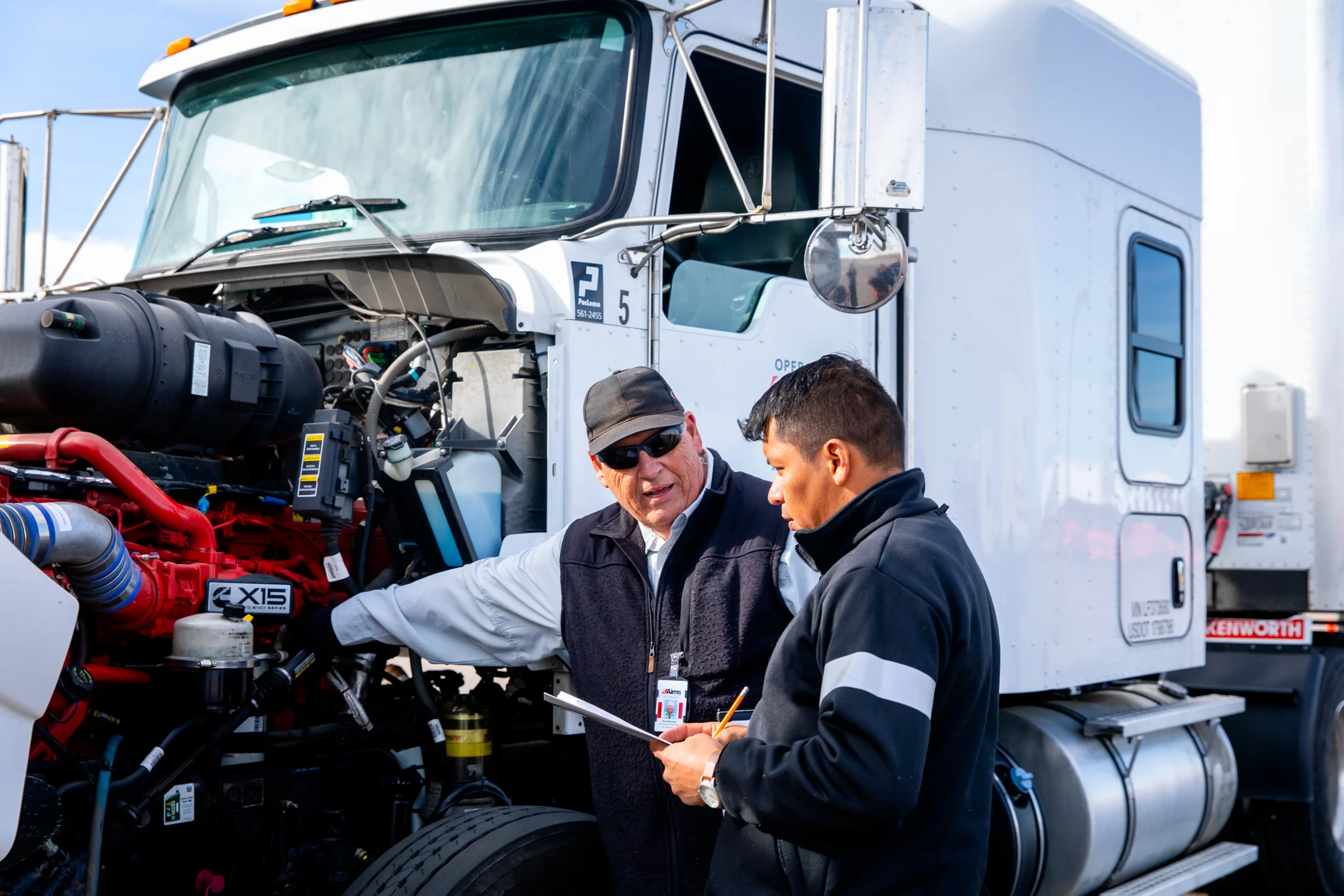
While the written material can be taught effectively online, learning to drive a truck requires hands-on practice, which is only possible in person.
2. Benefits of Online CDL Classes
Online classes offer several advantages, particularly for the theory portion of CDL training:
- Flexibility: Learn on your schedule, especially if you’re working full-time or have family obligations.
- Self-paced learning: Review challenging topics as often as needed.
- Accessibility: No commuting means fewer barriers to entry, especially in remote areas.
- Digital resources: Practice tests, videos, and simulations reinforce key concepts.
For visual and auditory learners, digital platforms can be a highly engaging way to absorb technical knowledge.
3. Limitations of Online Training
Despite its convenience, online CDL training also comes with a few limitations:
- No hands-on practice: You still need in-person training to learn truck operation, shifting, turning, parking, and inspection routines.
- Limited instructor interaction: While some courses include live Q&A or forums, it’s not the same as face-to-face support.
- Self-discipline required: Without a structured classroom, students must stay motivated and organized.
That’s why online CDL classes work best when paired with a strong in-person driving component.
4. The Hybrid Approach
Many reputable trucking schools now offer a hybrid model that blends online classroom instruction with on-site driving practice. This model ensures that:
- Students learn theory from the comfort of home
- They get real truck time with instructors to meet licensing requirements
- They benefit from both flexibility and hands-on training
It’s the best of both worlds for modern learners.
In the middle of evaluating training options, DTR School of Trucking CDL classes demonstrate how a hybrid or blended program can be both effective and comprehensive. Their curriculum delivers foundational knowledge online while ensuring every student gets the behind-the-wheel experience necessary to earn a CDL and succeed in the trucking industry.
5. What to Look for in Online CDL Classes
When choosing an online or hybrid CDL program, ensure it includes:
- ELDT (Entry-Level Driver Training) compliance
- Up-to-date content aligned with your state’s CDL requirements
- Access to certified instructors for questions and feedback
- A clear path to in-person driving hours
Accreditation and student reviews can also provide insight into the program’s effectiveness.
Conclusion
Online CDL classes can be just as effective as in-person instruction—when used for the right portions of your training. They offer flexibility, convenience, and engaging learning tools for mastering trucking theory. However, practical, hands-on driving experience is essential and cannot be replaced. Reputable programs like DTR School of Trucking CDL classes offer a smart combination of online and in-person training that prepares students to pass their exams and build long-term success on the road.
