

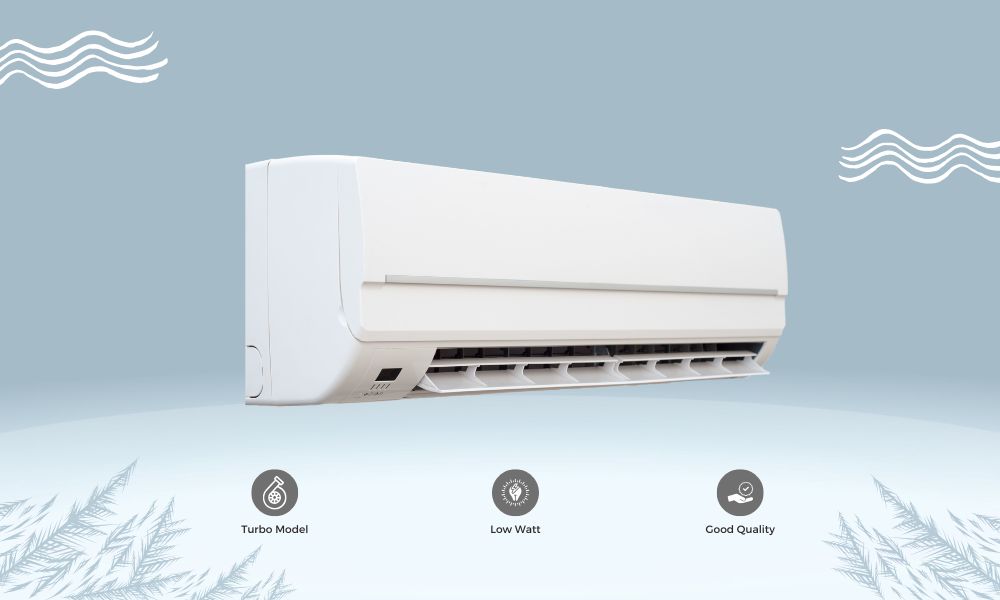
The tropical climate of Hawaii presents unique challenges for maintaining comfortable indoor environments. High humidity and consistent warmth require cooling systems that are both effective and efficient. Selecting a reliable air conditioning unit involves understanding the specific needs of island living. Some of these could be factors like energy efficiency and durability against coastal elements.
Understand Hawaii’s Unique Climate Needs
Coastal areas face salt air, which can corrode equipment, so units with corrosion-resistant materials are essential. For example, if you buy LG AC units in Hawaii, make sure they can handle the warm, humid conditions and moisture levels of the islands. Trade winds may provide natural cooling, but they are inconsistent, making reliable air conditioning a necessity for many homes. Buyers should prioritize systems designed to combat humidity effectively, ensuring both comfort and air quality. Consulting with professionals familiar with local conditions helps identify the best options.
Choose Energy-Efficient Dual Inverter Technology
Energy costs in Hawaii are among the highest in the nation, so selecting units with dual inverter technology is a smart choice. These systems adjust compressor speed to match cooling needs, reducing energy consumption compared to traditional units. A high SEER (Seasonal Energy Efficiency Ratio) rating, ideally 16 or above, ensures lower utility bills. Many models also qualify for rebates, further offsetting costs. Checking for ENERGY STAR certification guarantees efficiency suited for tropical climates.
Select the Right BTU Capacity for Your Space
Choosing the correct BTU (British Thermal Unit) capacity is critical for efficient cooling. An undersized unit struggles to cool, increasing energy use, while an oversized one cycles too quickly, failing to dehumidify properly. Measuring room size and considering factors like sun exposure and ceiling height helps determine the appropriate capacity. For larger homes, central or ductless mini-split systems may be ideal, while smaller spaces benefit from window units. Professional sizing assessments ensure optimal performance.
Prioritize Quiet Operation for Comfort
Noise levels matter, especially in homes in Hawaii, where tranquility is valued. Inverter-based units often operate more quietly than traditional models, minimizing disturbance. Checking decibel ratings before purchasing ensures the unit won’t disrupt sleep or daily activities. Some systems feature advanced fan designs for near-silent operation, ideal for bedrooms or living areas. Quiet performance enhances comfort without sacrificing cooling power.
Opt for Wi-Fi-Enabled Smart Controls
Smart thermostats and Wi-Fi-enabled AC units allow remote control, optimizing cooling schedules for efficiency. These systems enable users to adjust settings via smartphone apps, ensuring comfort upon arriving home without running the unit all day. Some models monitor humidity levels, adjusting automatically to maintain ideal conditions. This technology is particularly useful in humid climates, where precise control enhances comfort. Smart features also help reduce energy waste, lowering bills.
Ensure Proper Installation for Longevity
Professional installation is crucial for maximizing an AC unit’s lifespan and efficiency. Improper setup can lead to inefficiencies, higher energy costs, and premature wear. Technicians familiar with local regulations and climate challenges in Hawaii ensure safe and effective installations. Correct placement of outdoor units, away from direct salt air exposure, protects against corrosion. Investing in expert installation also preserves manufacturer warranties.
Check for Durable, Low-Maintenance Features
Durability is key in Hawaii’s harsh environment, where salt air and humidity can damage units. Look for systems with corrosion-resistant coatings and rinse-to-clean filters to reduce maintenance needs. Regular filter cleaning prevents dust and allergen buildup, maintaining air quality. Units with self-diagnostic features alert users to issues early, preventing costly repairs.
Selecting the right cooling AC unit involves careful consideration of climate, efficiency, and durability. For example, if you buy LG AC units in Hawaii, it’s important to consider factors like the local climate, energy efficiency, and durability. Smart controls and professional installation further enhance performance, while durable features reduce maintenance hassles. These tips empower residents to choose systems that balance cost, efficiency, and comfort.
