

Moving a piano is one of the most challenging tasks in the relocation world. Beyond the sheer weight and bulk of the instrument, pianos pose a significant risk to floors, walls, and doorways—especially in tight hallways, staircases, or older homes. A single misstep could lead to costly property damage or even injuries.
Professional movers have developed specialized techniques and tools to prevent such damage. Here’s a breakdown of how experts protect your home’s interior while moving a piano safely and efficiently.
1. Pre-Move Planning and Site Assessment
Before moving begins, professionals thoroughly inspect both the piano and the property. This includes:
- Measuring doorways, hallways, and staircases
- Identifying narrow turns or uneven surfaces
- Checking for fragile flooring (like hardwood or tile) that may need extra care
This pre-move walk-through allows movers to plan the route, anticipate challenges, and decide which protective gear to use.
2. Using Floor Protection Materials
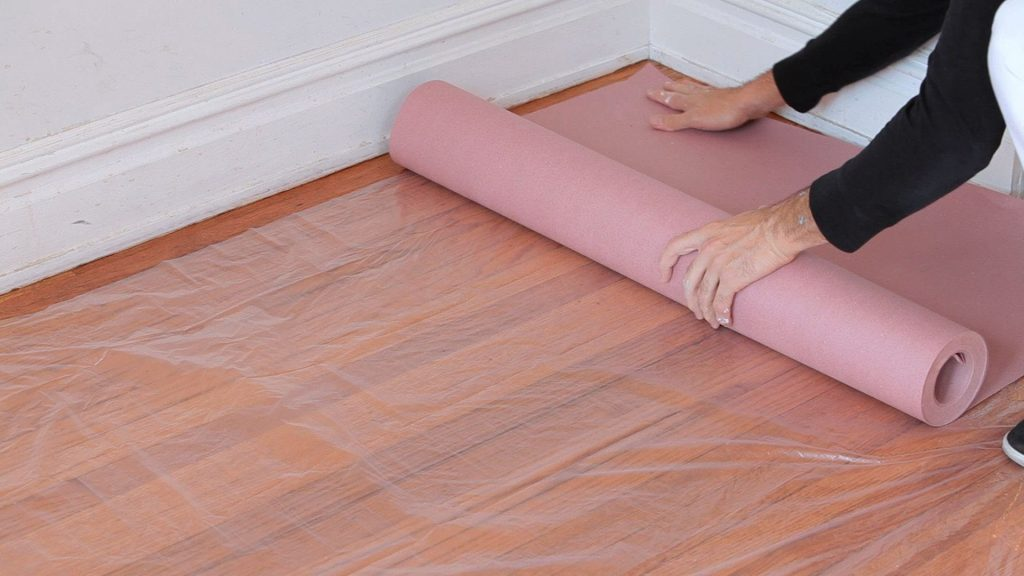
Floors are particularly vulnerable to damage during heavy moves. Professionals use a combination of materials to prevent scratches, scuffs, or cracks, including:
- Protective runners: Heavy-duty plastic or rubber mats laid out across all walking paths.
- Hardboard sheets: Placed over fragile tile or hardwood to distribute weight.
- Carpet shields: Clear adhesive coverings to prevent soiling on carpeted areas.
- Stair protectors: For moves involving steps, non-slip stair mats and treads are essential.
By creating a layered barrier, movers ensure the piano’s weight never makes direct contact with the floor.
3. Wall and Corner Guards
Tight corners and narrow doorways increase the risk of the piano bumping into the wall or trim. To prevent this, movers install:
- Foam corner guards: Padded protectors that absorb any impact.
- Wall shields: Soft, padded panels that create a safe buffer zone.
- Doorjamb protectors: Prevent chipping and cracking when maneuvering around door frames.
These simple precautions save homeowners from costly repainting or drywall repairs later.
4. Professional Equipment for Smooth Movement
The right tools make all the difference when moving a piano. Movers use:
- Piano dollies and skid boards: Designed to evenly distribute weight and glide across protected surfaces.
- Lifting straps and harnesses: Reduce strain and allow for controlled handling.
- Ramps and lifts: For navigating stairs or loading into trucks without dragging or bumping.
These tools ensure the piano stays balanced, minimizing the risk of scraping against floors or walls.
5. Trained Team Coordination
Moving a piano isn’t a solo job. It takes a team of trained professionals who understand the instrument’s weight distribution and sensitivity. Services like Ottawa Pro Movers use coordinated teams with defined roles, communication strategies, and step-by-step procedures to move pianos with maximum precision and minimal risk.
This team-based approach is what separates amateurs from true professionals—and it’s what keeps both your piano and your property protected.
6. Weather-Related Precautions
In winter climates or during rainy days, floors are even more vulnerable to damage from moisture and mud. Movers take extra steps such as:
- Wearing shoe covers or using booties
- Laying down absorbent floor runners at entryways
- Wrapping the piano in waterproof padding during loading/unloading
These added precautions are essential for preserving interior finishes and ensuring a clean move.
Conclusion
Protecting your floors and walls during a piano move is just as important as safeguarding the instrument itself. Professional movers use a combination of planning, equipment, and protection materials to ensure a damage-free experience.
