

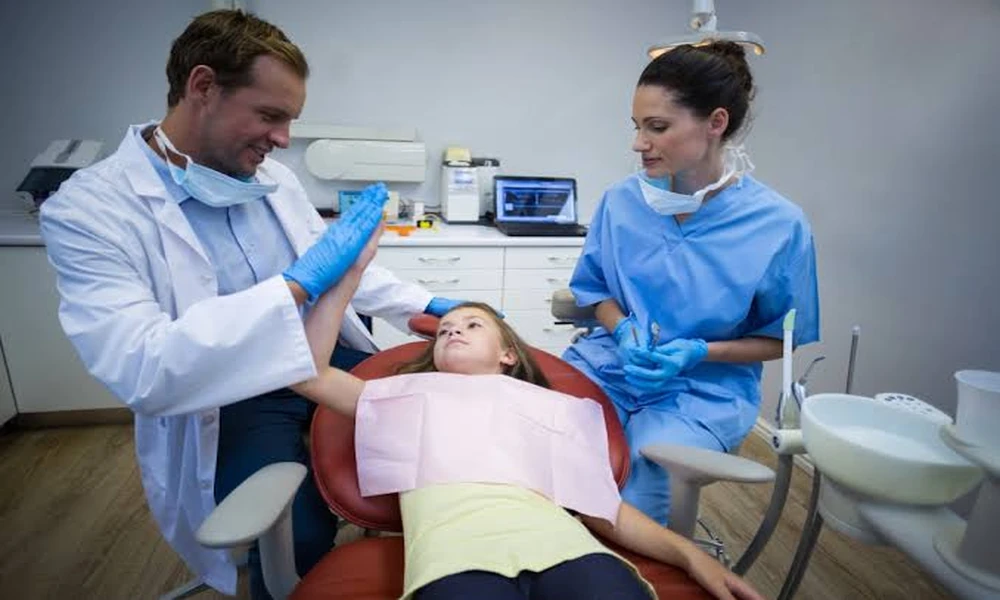
You may have been putting this off for years. A tooth that hurts on and off, gums that bleed when you brush, an old crown that never felt right, or a smile you learned to hide in photos. Long standing dental concerns rarely stay in one neat box. They affect how you eat, how you speak, how you sleep, and sometimes how comfortable you feel sitting in any dental chair at all. If you are looking for a dentist in Southwest Portland, OR, you are not alone.
That is where a family dentist often helps more than people expect. Ongoing dental problems are not only about fixing one tooth. They usually involve patterns, old experiences, cost worries, and the fear that the news will be worse than you think. A good family dentist looks at the full picture, helps you sort out what needs attention first, and gives you a path that feels manageable instead of punishing.
Family dentists help adults untangle years of oral health problems
Many adults with long term dental issues are not neglectful. Life got crowded. Insurance changed. A bad visit years ago stayed with you. The discomfort became normal enough to ignore until it was not. You might chew on one side, avoid cold drinks, or keep telling yourself you will book an appointment after work slows down.
The problem is that dental issues tend to build on each other. A small cavity can turn into a deep infection. Gum irritation can become periodontal disease, which the CDC explains is a serious gum infection that can damage the tissues and bone supporting your teeth. You can read more about that on the CDC page on gum disease and periodontal disease.
That buildup is why How Family Dentists Support Adults With Long Standing Dental Concerns matters in a practical way. A family dentist can identify what is urgent, what is stable, and what can wait. That structure alone lowers stress. Instead of hearing a list of everything wrong, you hear what to do first and why.
This kind of support also helps with the emotional side. Adults who have avoided care often expect shame. They brace for judgment about flossing, missed cleanings, or the years that passed. The right family dentist shifts that tone. You need facts, not scolding. You need a plan that respects your budget, your pain level, and your ability to come back for follow up visits.
Long term dental care works best when treatment is paced and clear
There is a difference between emergency treatment and steady recovery. If you walk in with swelling or severe pain, the first goal is relief and safety. If you have several concerns at once, the next goal is sequencing. One filling may come before cosmetic work. Deep cleaning may need to happen before replacing missing teeth. If grinding has cracked older dental work, that pattern has to be addressed or repairs may fail again.
A family dentist often becomes the person who keeps these pieces connected. That matters when your concerns are layered. An adult with bleeding gums, dry mouth, and old restorations may need more than a quick cleaning. The National Institute of Dental and Craniofacial Research discusses broad oral health patterns in its report, Oral Health in America, including how oral health is tied to overall health and access to care.
Support for adults with chronic dental issues also means prevention that fits real life. If your schedule is uneven, your home care plan may need to be simple and realistic. If you take medications that cause dry mouth, your dentist may adjust recommendations to protect against decay. The CDC offers oral health tips for adults that reinforce daily habits which support professional treatment.
Delaying care often costs more in comfort, time, and money
People often delay treatment to save money, then end up facing a larger bill later. That is not a moral failure. It is a common pattern. If a worn filling breaks, the fix may move from a simple repair to a crown. If infection reaches the nerve, you may be looking at root canal treatment or extraction. The cost is not only financial. It can mean missed work, poor sleep, trouble eating, and the strain of constant low grade pain.
| Situation | Short Term Choice | Likely Result | Family Dentist Support |
|---|---|---|---|
| Bleeding gums for months | Ignore it and brush less because it hurts | Gum disease may worsen and lead to bone loss | Evaluate gum health, provide deep cleaning if needed, teach gentler home care |
| Tooth pain that comes and goes | Use pain relief and wait | Decay or infection may spread, leading to more invasive treatment | Find the source, relieve pain, and plan the least disruptive repair |
| Broken or missing teeth | Avoid chewing on that side | Extra wear on other teeth, bite changes, reduced confidence | Discuss repair or replacement options based on function, cost, and timeline |
Adult dental support starts with small steps you can take now
1. Write down what has been bothering you. Include pain, sensitivity, bleeding, bad breath, trouble chewing, jaw tension, and anything you avoid because of your teeth. This helps your dentist see the full pattern, not just the most obvious issue.
2. Ask for a phased treatment plan. If several problems show up at once, request a clear order of care. Ask what is urgent, what protects other teeth, and what can safely wait. This is often the best way to make adult dental care from a family dentist feel possible.
3. Rebuild home care without trying to be perfect. Brush twice a day with fluoride toothpaste, clean between teeth daily, and be honest about what you will actually keep doing. Consistency matters more than an ideal routine you abandon after three days.
Steady dental care can change more than your teeth
When a family dentist helps you address long standing concerns, the win is not only a repaired tooth or healthier gums. It is relief. It is eating without thinking about pain first. It is speaking without worrying about how your smile looks. It is knowing what is going on in your mouth and having a plan you can follow.
If you have been carrying dental problems longer than you wanted to, you do not need to solve everything at once. Start with one appointment and one honest conversation. A family dentist can help you move from years of uncertainty to steady, practical care.
