

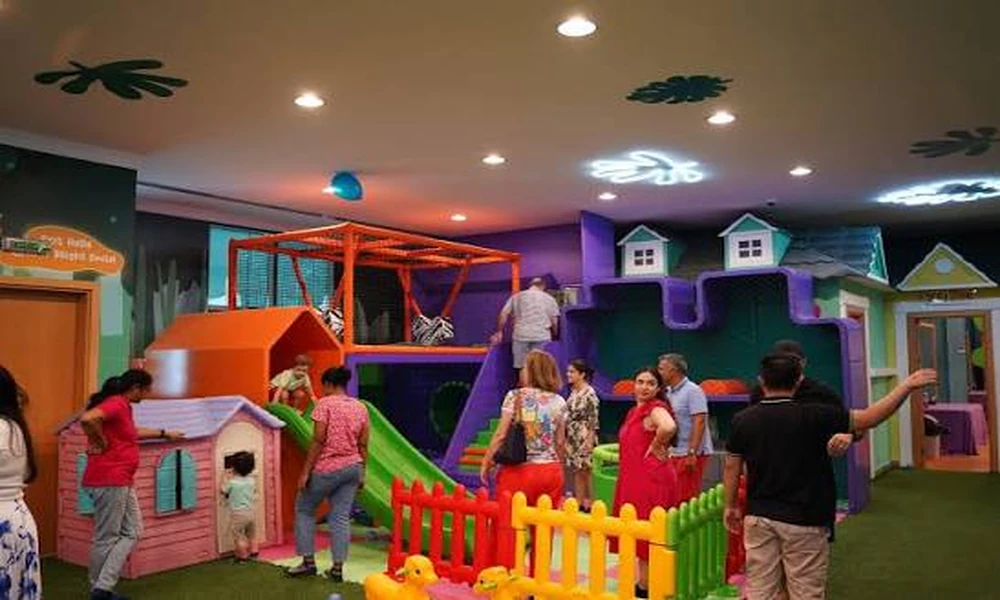
Nothing lights up a child’s eyes like the sight of a vibrant indoor playground. But these spaces offer much more than just a break from rainy days. Thoughtfully designed indoor play areas are powerful engines for social and creative development, shaping how children interact, solve problems, and express themselves.
What Are Indoor Play Areas and Why Are They Important for Children?
Indoor play areas are purpose-built environments filled with climbing structures, slides, interactive panels, and imaginative play zones. While their primary appeal may be adventure and fun, their importance runs deeper. These spaces provide safe havens where children can explore freely, regardless of weather or season.
The benefits of indoor playgrounds extend far beyond burning off energy. They nurture motor skills, boost confidence, and, perhaps most crucially, lay the groundwork for social and creative growth. From group games to imaginative scenarios, every feature is an opportunity for development.
How Do Indoor Play Areas Foster Social Skills in Children?
Children are natural social learners, and indoor play settings invite them to connect with others in meaningful ways. Cooperative play emerges almost the moment a child steps inside, whether it’s building a castle together in a soft-block corner or taking turns on a slide. These interactions help kids grasp empathy, patience, and the give-and-take of teamwork.
Imaginative play zones, where children can pretend to be shopkeepers, astronauts, or chefs, are powerful catalysts for social development. Negotiating roles, creating shared stories, and resolving small conflicts teach fundamental communication skills. Indoor playgrounds, by design, are inclusive spaces where children of varying ages and abilities mingle, breaking down barriers and promoting understanding.
In What Ways Do Indoor Playgrounds Stimulate Creativity?
Creativity blooms in spaces where the imagination can roam. Interactive features like sensory walls, themed tunnels, and moveable puzzles spark curiosity and encourage children to invent their own adventures. Each play structure becomes a prop, every climb a new challenge.
Problem-solving is woven into the fabric of these environments. Navigating a climbing net or figuring out how to balance across a wobbly bridge pushes children to think on their feet. Exposure to different play zones, quiet corners for art, bustling ball pits, or miniature towns, exercises cognitive flexibility, letting kids bounce between activities and ideas.
What Types of Indoor Play Equipment Best Support Social and Creative Growth?
No two children play exactly alike, and the best play areas reflect this diversity. Climbing structures and slides not only strengthen bodies but also build confidence, allowing children to test boundaries and embrace a healthy sense of risk.
Interactive panels and role-play areas are perfect laboratories for language and social cues. Pretend-play kitchens, market stalls, or construction sites prompt conversations, negotiations, and storytelling. The ability to customize these spaces, such as those offered by Inspire Play indoor playgrounds, ensures that children of all ages and interests find something to engage them.
How Does Physical Development Influence Social and Creative Abilities in Indoor Play?
Physical confidence and social confidence often go hand in hand. As children master the balance beam or scale a climbing wall, they learn to trust their bodies. This trust spills over into group play, helping shy children join in and assert themselves.
Movement is also essential for brain development. Activities that challenge coordination and strength, like obstacle courses or dance mats, build neural pathways crucial for concentration and creative thought. In this sense, play becomes the foundation for both academic and social success.
What Safety and Design Considerations Maximize the Benefits of Indoor Play Areas?
A great indoor playground balances adventure with safety. Soft surfaces, rounded edges, and age-appropriate zones invite children to explore freely while minimizing the risk of injury. Open sight lines empower parents and caregivers to supervise without hovering, fostering independence.
Inclusivity is just as vital as safety. Accessible ramps, sensory-friendly features, and clear signage ensure that every child, regardless of ability, can participate fully and joyfully.
How Can Parents and Educators Maximize the Social and Creative Potential of Indoor Play?
The right environment is only the beginning. Adults can amplify the benefits by gently guiding play, modeling positive social behavior, and encouraging children to try new roles or collaborate with others. Stepping in to help resolve disputes or suggest imaginative scenarios turns ordinary play into extraordinary growth.
Sometimes, simply stepping back and letting children lead is the best way to nurture creativity. Unstructured time allows kids to invent games, take the initiative, and solve problems without adult intervention.
What Does Research Say About Long-Term Impacts of Indoor Play on Child Development?
Decades of developmental studies consistently underscore the importance of play in childhood. Regular exposure to rich play environments is linked to better language skills, higher emotional intelligence, and increased creative thinking. Children who master social and creative skills in early years not only thrive academically but also form healthier relationships into adulthood.
The real magic of indoor play areas lies in their capacity to help children grow not just taller or stronger, but kinder, more imaginative, and better equipped for life’s endless possibilities.
