

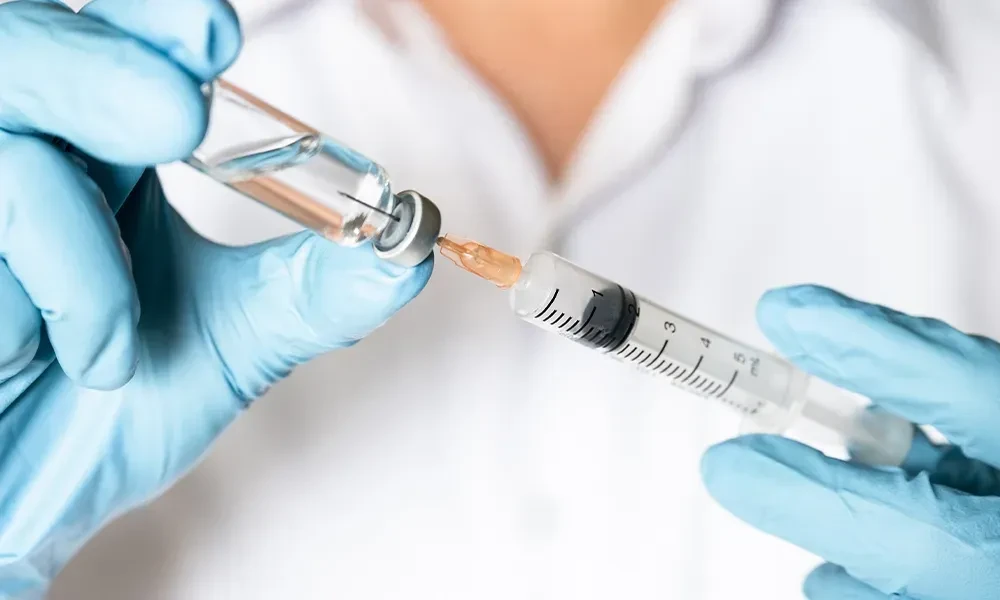
Acute traumatic injuries present a different recovery challenge because damage accumulates throughout multiple tissue structures rather than concentrating at one clearly defined point. Over-mechanical loading breaks down tendon collagen organisation, degrades synovial tissue health, and produces low-grade inflammation across the joint complex that is not addressed comprehensively by standard recovery methods. wolverine peptide stack targets that specific multi-tissue damage pattern through two non-overlapping mechanisms that cover both the localised structural repair deficit at the primary damage site, alongside the systemic inflammatory burden across the surrounding joint complex. Overuse arthritis injuries appear in wolverine stack accounts most frequently among endurance athletes, strength athletes training at high frequency, and contact sport participants. These injuries occur when training volumes exceed tissue recovery capacity over extended competition seasons.
Joint repair mechanism coverage
BPC-157 addresses overuse joint damage through VEGF pathway activation, producing new capillary formation at the tendon or joint structure, increasing oxygen and nutrient delivery to tissue that receives inadequate vascular supply under cumulative stress of excessive loading patterns. Collagen remodelling support through increased localised vascular supply is the specific contribution BPC-157 brings to overuse tendinopathy recovery, addressing the collagen disorganisation that characterises chronic tendinosis rather than the structural rupture that traumatic injury models in animal research typically examine. TB-500 addresses the synovial inflammation accompanying overuse damage through thymosin beta-4-regulated repair cell migration across the joint complex, reducing the inflammatory burden across a wider tissue area than BPC-157’s localised administration covers at the primary tendon damage site.
Recovery protocol steps
Athletes using the wolverine peptide stack for overuse joint recovery follow these protocol steps across the most consistently documented community accounts:
- Identify the primary overuse structure before beginning because BPC-157 injection placement relates to that specific structure, which affects localized VEGF activation response documented in user accounts covering different overuse injury types.
- Begin daily BPC-157 subcutaneous injection as close to the affected tendon or joint structure as practical on day one of the protocol, maintaining that injection site position consistently throughout the cycle rather than rotating sites in ways that reduce proximity to the primary damage location.
- Introduce TB-500 on day one at once-per-week subcutaneous frequency for mild to moderate overuse presentations, or twice-per-week frequency for severe or multi-site overuse damage involving both tendon structure alongside significant synovial joint inflammation simultaneously.
- Reduce training load at the affected joint during the first four weeks of the protocol to allow the repair mechanisms both compounds generate to function without the mechanical stress that drove the original overuse damage pattern.
- Assess pain levels, range of motion, and load-bearing capacity at week four before deciding whether to continue the established protocol, extend cycle length beyond the initial planned duration, or adjust TB-500 frequency based on the inflammatory response pattern documented at that assessment point.
- Maintain daily BPC-157 throughout the full cycle without dosing gaps, because short active window clearance means missed doses create repair signalling interruptions at the primary tendon site that reduce the continuous VEGF activation the overuse recovery process requires.
Overuse joint recovery with the wolverine peptide stack addresses the multi-tissue damage pattern that characterises chronic tendinopathy more completely than single-peptide approaches because BPC-157 targets the localised collagen remodelling deficit at the primary tendon structure while The TB-500 simultaneously reduces joint inflammatory burdens, addressing both structural repair needs along with inflammatory conditions.
