

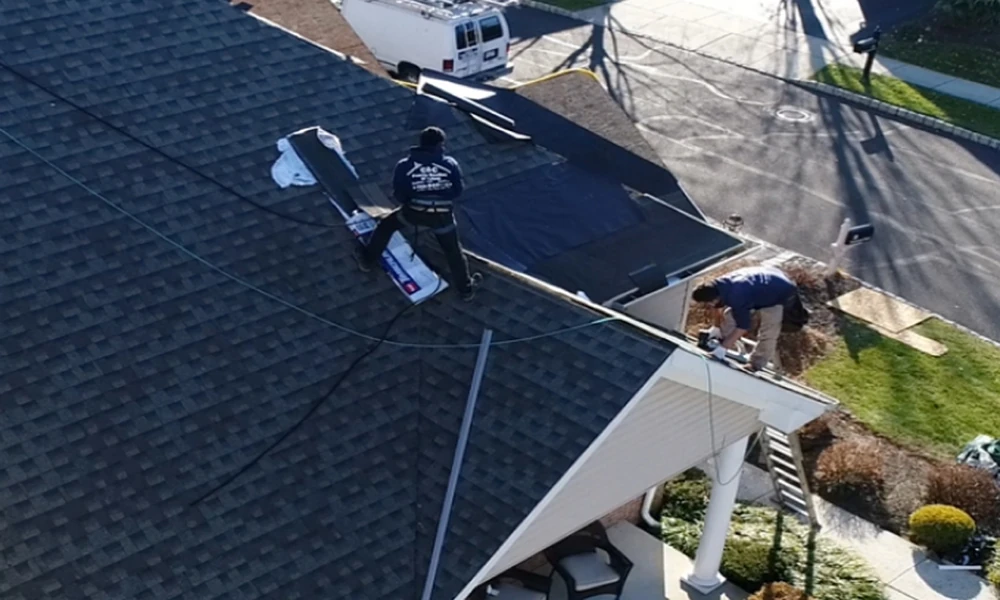
Ask anyone who has lived on the bench above Highway 89 long enough, and they’ll tell you the mountains set the schedule here. Canyon winds roll down in the shoulder seasons. Snow piles up and melts in uneven cycles all winter. Summer afternoons push shingle surfaces well past 150 degrees. All of that shapes when a roof should be inspected, repaired or replaced, and picking the wrong window can cost money or quality.
Most homeowners only think about timing when something has already gone wrong. Planning a few months ahead usually gets better results, whether the job is a few replacement shingles or a complete tear off.
Duane and his team at Redline Roofing, a North Salt City roofing company working across Davis County, build their scheduling around the homeowner’s calendar by offering several install dates to choose from once the bid is settled. Past customers mention the crew handling insurance paperwork after wind damage and finishing ahead of schedule, and the company backs its roofs with a 15-year guarantee on the surface. Financing is also available for anyone who needs to spread the cost over time.
A Year on One Page
Before getting into each season, here is a rough sketch of how the year tends to play out for roofs in the North Salt Lake area.
| Season | What the weather is doing | Roof work that fits best |
|---|---|---|
| Late winter to spring | Snowmelt, rain, early hail | Inspections, leak tracing, booking summer or fall jobs |
| Summer | Long dry days, intense heat | Full replacements with early start times, ventilation upgrades |
| Fall | Mild days, cool nights, first wind events | Replacements, repairs, gutter and trim work before snow |
| Winter | Cold, ice dams, canyon gusts | Emergency repairs, tarping, planning |
The table is a guide, not a rulebook. A leak in January still needs fixing in January. But knowing the pattern helps you avoid scrambling.
Snowmelt Reveals What Winter Hid
The weeks after the last big snow are when roofs give up their secrets. Ice dams along the eaves often push water under shingles all winter without any visible sign indoors. Once the snow is gone, look for brown rings on ceilings near exterior walls, damp insulation in the attic, or shingles that look curled or lifted along the lower edge.
Spring also brings the first hail of the year. Northern Utah storms tend to be smaller than those on the plains, but even pea-sized hail can knock granules loose on an older roof. Granules collecting at the bottom of downspouts are an easy early clue.
This is also the smartest time to book bigger work. Good crews fill their summer and fall calendars quickly, and homeowners who call in March or April have far more choice of dates than those who call in September.
Summer Brings Long Days and Soft Shingles
Summer gives roofers the most daylight and the most reliable dry weather, which makes it a productive season for full replacements. The catch is heat. Asphalt shingles soften in direct sun, and heavy foot traffic on a hot afternoon can scuff granules or leave marks on the surface.
Experienced crews work around this by starting at dawn and wrapping up the most walking-intensive tasks before early afternoon. If you’re scheduling a summer job, ask how the crew handles heat and whether they plan to work the south and west slopes during cooler hours.
Summer is also a good time to fix attic ventilation problems. A hot attic shortens shingle life from below, and the issue is easiest to feel and diagnose in July when the space is at its worst.
Fall Is the Season Everyone Wants
Mild afternoons and cool mornings make fall close to ideal for roofing. Shingles stay flexible enough to handle without cracking, and there’s still enough warmth for the adhesive strips on each shingle to bond properly before winter.
That bonding matters more than most people realize. Shingle seal strips are activated by sun and warmth. A roof installed in October usually seals within a few days. One installed in a deep cold snap may not seal fully until spring, leaving the shingles more exposed to wind lift in the meantime.
Because so many homeowners want fall installs, schedules fill fast. Late summer is often the real deadline for getting on the calendar before the first hard freeze. Fall is also the last practical window for related exterior jobs, such as replacing damaged gutters, fixing loose trim or updating siding, before snow makes ladders and scaffolding a hazard.
Winter Work Can Happen With Some Tradeoffs
Roofs can be replaced in winter, and in some situations they have to be. Crews adjust by working on milder days, warming shingle bundles before use and hand sealing tabs with roofing adhesive when temperatures are too low for natural bonding.
The tradeoffs are real, though. Cold shingles are more brittle and crack more easily when bent over ridges or into valleys. Shorter days mean jobs take longer. Snow and ice make the deck harder to inspect thoroughly once the old roofing comes off.
For most homeowners, winter is better spent on emergency repairs, temporary tarping and planning. It’s a good season to collect bids, compare materials and get on a spring calendar without the pressure of a leak dripping into the living room.
When the Calendar Stops Mattering
Some events override every schedule. The east canyon winds that sweep through Davis County can tear shingles and trim off a roof in minutes, and those storms tend to arrive in fall, winter and spring rather than summer. Damage left open for even a few days can let water into decking, insulation and drywall.
After a major wind event, expect door knockers and out-of-state crews to appear in the neighborhood. Some are legitimate. Others disappear once a deposit clears. Before signing anything, verify that the contractor holds an active Utah license. The state’s Division of Professional Licensing publishes a consumer guide to home construction projects that walks through license checks, written contracts and payment schedules.
Insurance claims also have deadlines of their own, so it’s worth documenting damage with photos as soon as it’s safe and calling your insurer quickly, even if the actual repair can’t happen for a few weeks.
A roof doesn’t care what month it is when it fails. But the person paying for it can choose, in most cases, when to inspect, when to book and when to build. Matching those choices to the way the Wasatch Front moves through its year is one of the simplest ways to get a longer-lasting roof for the same money.
